How to Fix Drainage Problems in Your Yard: 7 Solutions to Consider
July 28, 2026
give us a call at

The fastest way to fix a drainage problem in your yard is to figure out where the water is coming from and where it needs to go, then choose the solution that redirects it. For most yards that means regrading the slope, installing a French drain, or adding a way to capture and move water away from the house.
We handle grading, trenching, and drainage work on properties around Brockton, and poor drainage is one of the most common problems we get called about. Standing water is not just an eyesore. It kills grass, damages foundations, and turns a usable yard into a swamp. Below are seven proven solutions, along with how to spot the cause and when the job is bigger than a weekend project.
In This Guide
What Causes Drainage Problems
Before you can fix drainage, it helps to understand why water is pooling in the first place. Most yard drainage issues come down to a few root causes, and the right solution depends on which one you are dealing with.
Grading and Slope Issues
The single most common cause is poor grading. If the ground slopes toward your house or has low spots that trap water, rain has nowhere to go and simply sits there.
Yards often lose their proper slope over time as soil settles, gardens get built up, or construction changes the lay of the land. When the fall toward a drainage point disappears, water starts collecting in the low areas.
Soil and Site Conditions
The type of soil under your lawn plays a big role. Heavy clay soil, which is common across parts of Massachusetts, drains slowly and holds water near the surface long after the rain stops.
Other site conditions add to the problem. Compacted soil, a high water table, and runoff from neighboring properties or hard surfaces like driveways can all send more water into your yard than it can absorb.
Compaction deserves special mention because it is often overlooked. When soil gets packed down from foot traffic, equipment, or years of settling, water cannot soak in and instead runs off or pools. In milder cases, relieving that compaction with
lawn aeration can improve how well the ground absorbs water before you commit to bigger drainage work.
7 Solutions to Fix Yard Drainage
Here are seven solutions that actually work, ordered roughly from the most fundamental fix to more targeted add-ons. Many yards need a combination rather than just one.
1. Regrade the Yard
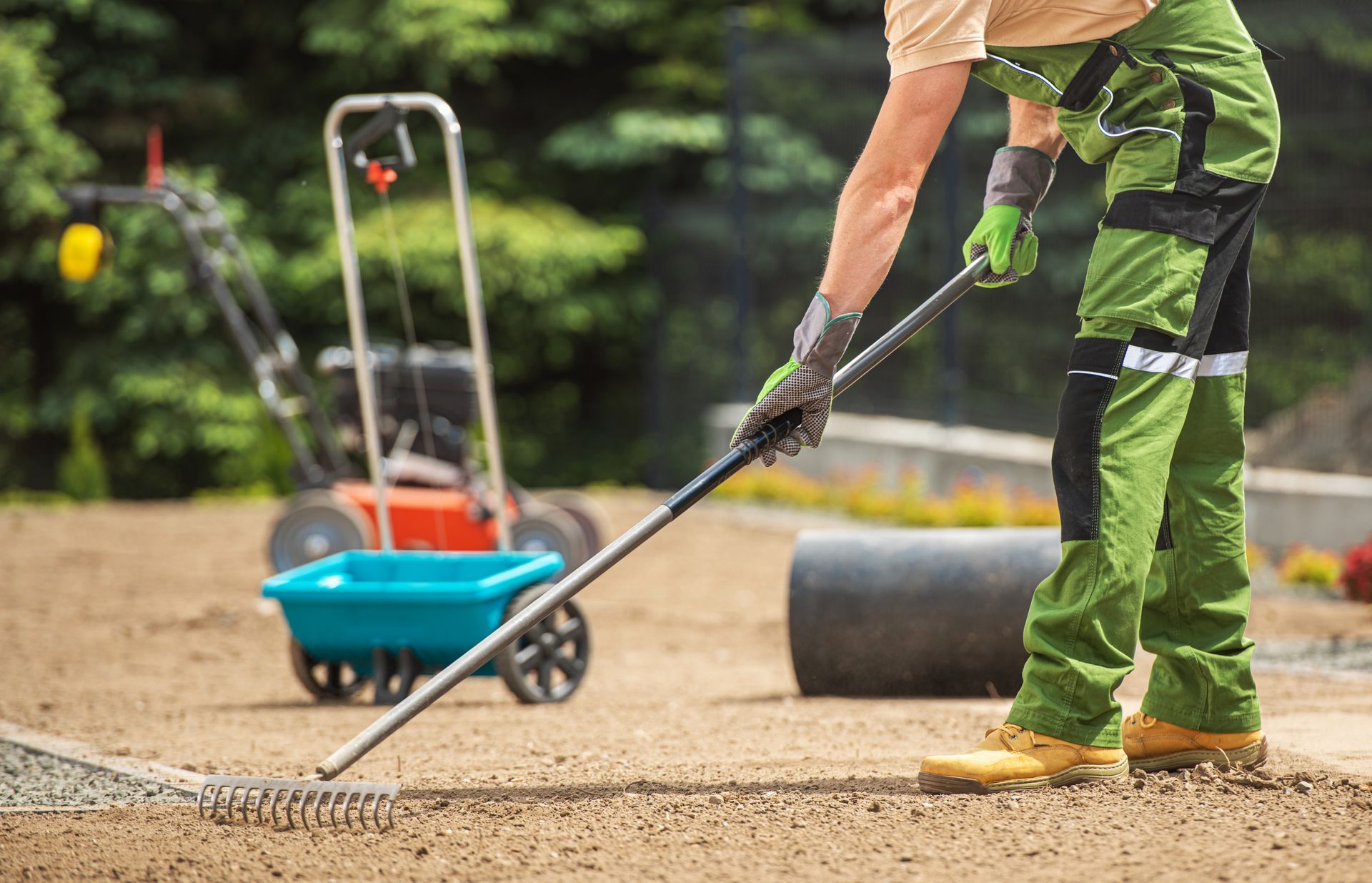
Regrading reshapes the ground so it slopes away from your home and toward a safe drainage point. Because bad slope causes so many drainage problems, this is often the first and most important fix.
A proper grade sheds water before it ever has a chance to pool. If the whole yard tilts the wrong way, no amount of drains will fully solve the problem until the grading is corrected.
Regrading can range from spreading a few loads of soil to fill low spots all the way to reshaping an entire yard with heavy equipment. The scale depends on how far off the current grade is and how much the land needs to move to send water where it should go.
2. Install a French Drain
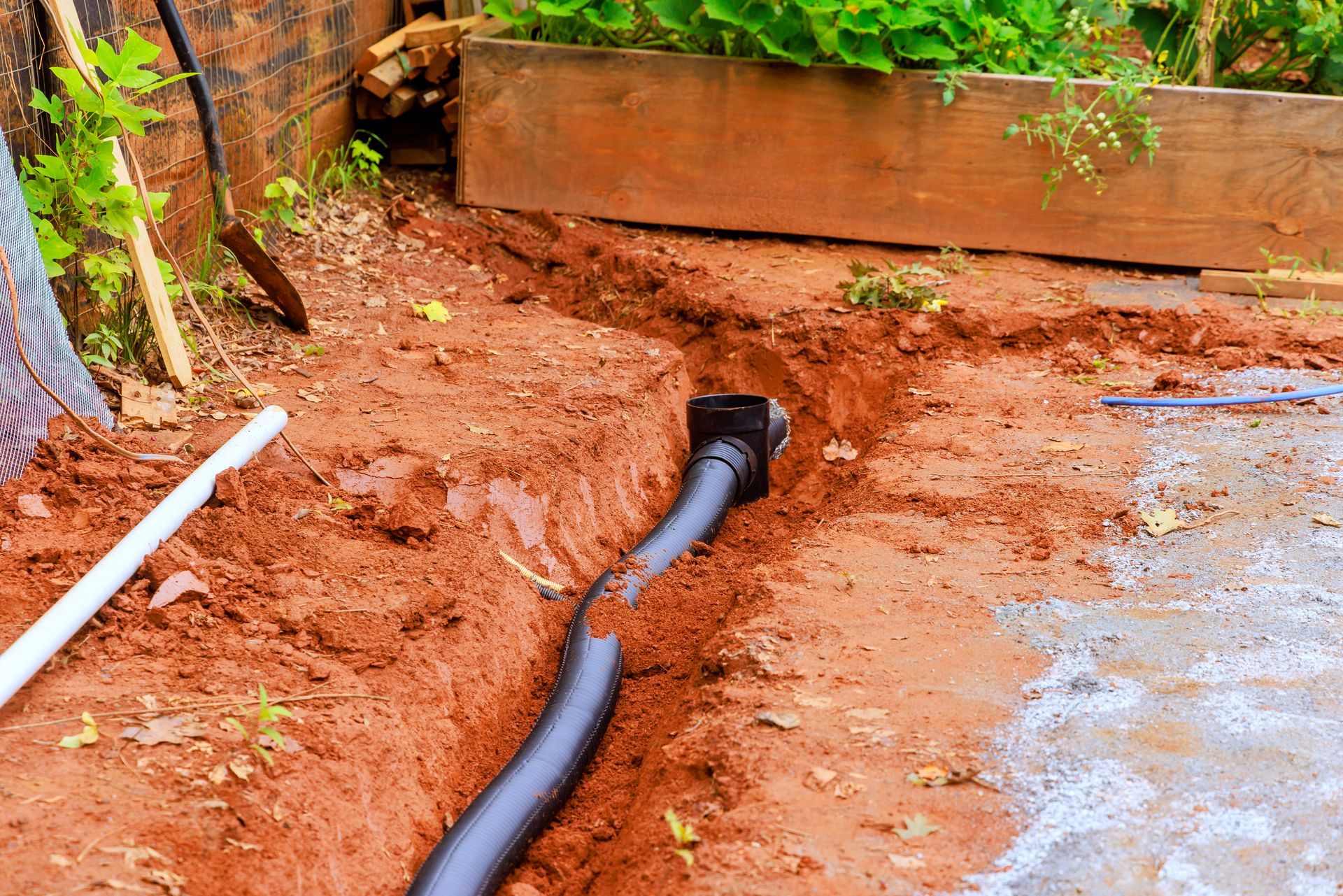
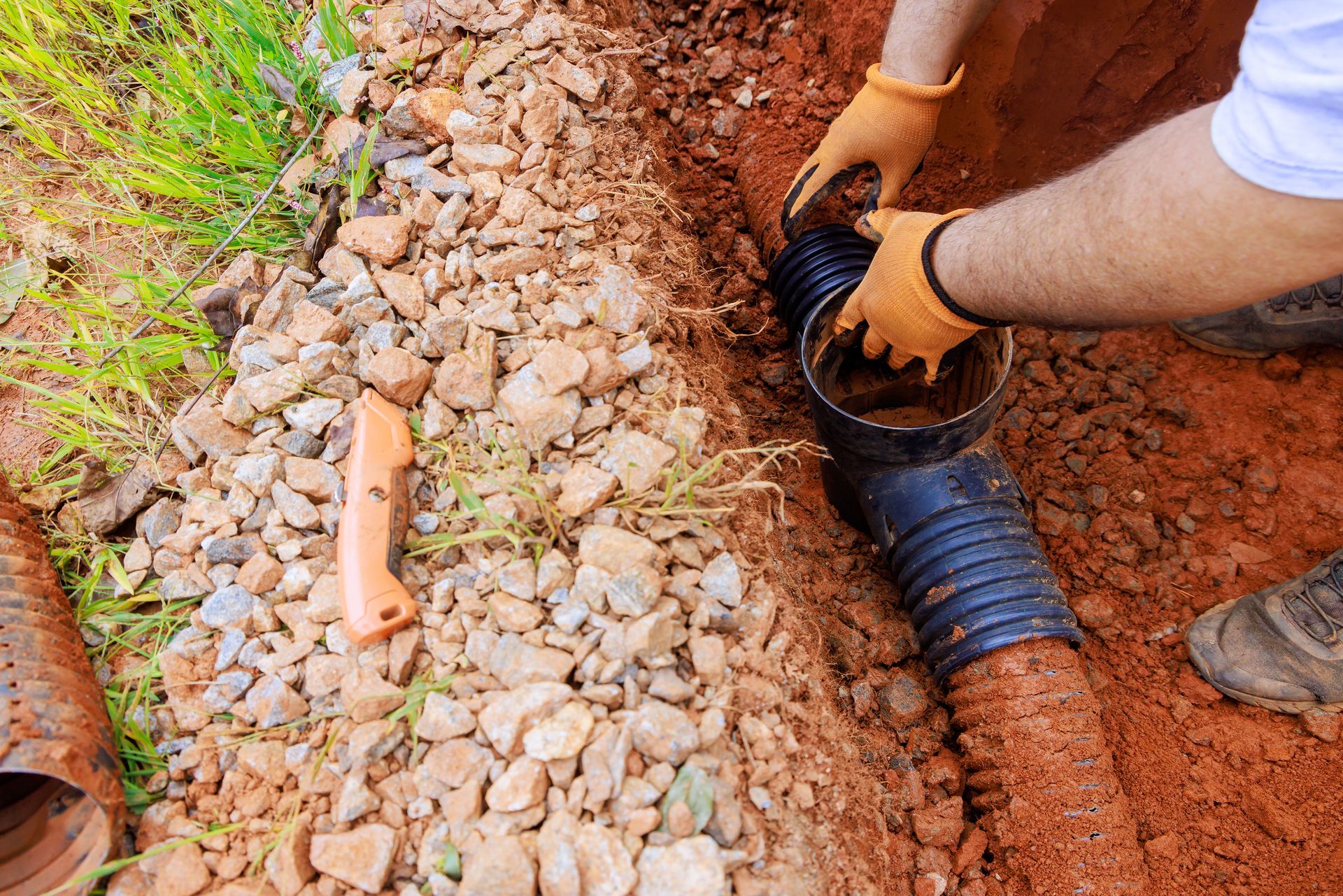
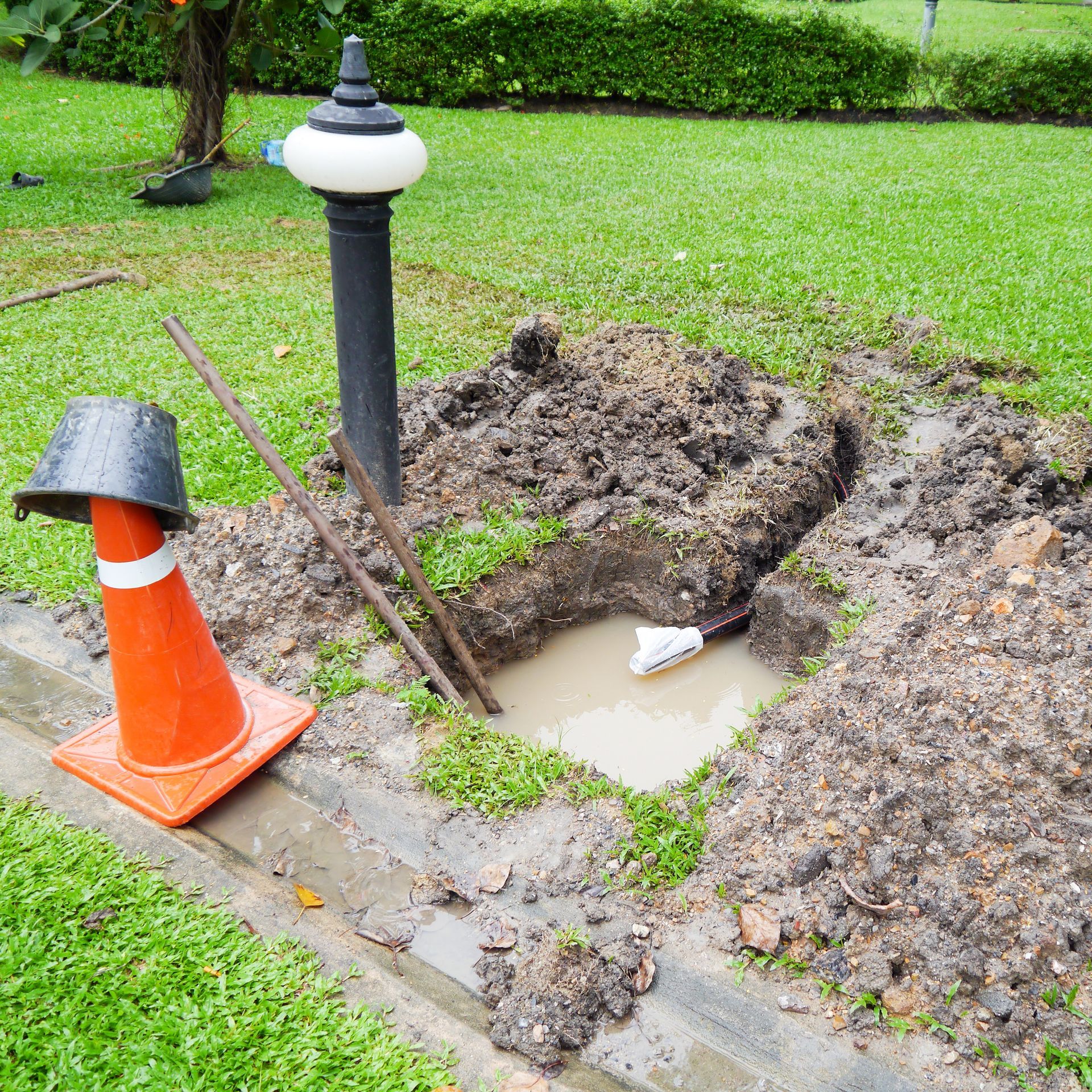
A French drain is a gravel-filled trench with a perforated pipe running through it. Water seeps into the gravel, enters the pipe, and gets carried away to a spot where it can safely drain out.
This is one of the most versatile fixes. It works well for soggy areas, water collecting against a foundation, and slopes where surface water keeps showing up in the same place.
The key to a French drain that lasts is proper slope and a clear outlet. The pipe has to fall steadily toward its exit point, and that exit has to be somewhere the water can actually leave, such as a dry well, a lower part of the property, or an approved storm connection. A drain that runs uphill or empties nowhere will clog and fail.
3. Add a Dry Well
A dry well is an underground pit or tank that collects excess water and lets it slowly soak into the surrounding soil. It gives runoff a place to go when there is no easy way to route it off the property.
Dry wells pair well with French drains and downspout lines. The drain moves the water, and the dry well gives it somewhere to disperse underground instead of surfacing again downhill.
The right size matters here. A dry well that is too small for the amount of runoff it receives will overflow during heavy storms, so it should be scaled to your roof area and the soil's ability to absorb water. In heavy clay soil that drains slowly, a dry well may need to be larger or paired with another outlet.
4. Install a Catch Basin or Channel Drain
A catch basin is a boxed drain set into a low spot that captures pooling surface water and feeds it into an underground pipe. A channel drain does the same job in a long line, often across a driveway or patio edge.
These are the right tool when water consistently collects in one clear location. They catch it at the source and carry it away before it spreads across the lawn.
Both need to tie into a pipe that carries the water somewhere useful, so they are rarely a standalone fix. Think of a catch basin as the intake for a larger drainage line rather than a solution all by itself.
5. Extend Your Downspouts
Downspouts that dump rain right next to the foundation are a hidden cause of many yard drainage problems. Extending them carries roof runoff several feet away from the house before releasing it.
This is the cheapest and easiest fix on the list, and it solves a surprising number of wet-yard complaints on its own. It is almost always worth doing before moving on to bigger projects.
A standard extension carries water a few feet out, but for stubborn cases you can run the downspout into a buried pipe that daylights well away from the house. Either way, the goal is the same: get roof water past the foundation and out of the zone where it causes trouble.
6. Build a Swale or Dry Creek Bed
A swale is a shallow, gently sloped channel that guides water along a chosen path. A dry creek bed is a swale lined with stone that looks like a natural feature while doing the same drainage work.
Both are good for directing surface runoff across a yard toward a drainage point. The dry creek bed version has the bonus of looking intentional rather than like a trench.
7. Plant a Rain Garden
A rain garden is a planted low area filled with water-loving plants that soak up and filter runoff. It turns a chronically wet spot into a feature instead of a problem.
Rain gardens work best as a place to send water rather than a way to move it. Paired with a swale or drain that delivers the runoff, they handle the final absorption naturally.
They also carry a real environmental benefit. Instead of rushing runoff toward the storm system, a rain garden lets water soak into the ground where the plants and soil filter it, which reduces erosion and eases the load on local drainage during heavy rain.
Comparing Your Drainage Options
This table gives a quick side-by-side of the main solutions so you can see which fits your situation before you dig in.
| Solution | Best For | Relative Effort |
|---|---|---|
| Regrading | Whole-yard slope problems | High |
| French drain | Soggy areas and foundation water | Moderate to high |
| Downspout extension | Roof runoff near the house | Low |
| Catch basin | Water pooling in one clear spot | Moderate |
Use this as a starting point, not a final answer. The best choice depends on your specific yard, and larger problems often call for more than one of these working together.

How to Choose the Right Fix
With seven options on the table, the right one comes down to matching the solution to the cause you identified earlier. A little diagnosis up front saves a lot of wasted digging.
Match the Solution to the Problem
Each type of drainage issue has a natural best fit. Lining them up this way keeps you from over-building:
- Wrong overall slope: Start with regrading, since nothing else fully works until the grade is right.
- Water against the foundation: Extend downspouts first, then add a French drain if needed.
- One persistent puddle: A catch basin or channel drain captures it at the source.
- A chronically soggy zone: A dry well or rain garden gives that water somewhere to go.
Think About the Whole System
The most reliable drainage plans combine a few of these solutions into one system. For example, extended downspouts feed a French drain, which carries water to a dry well or rain garden at the low end of the property.
Planning it as a system also means considering where the water finally ends up. Dumping it onto a neighbor's yard or toward the street without a plan can create new problems, so the outlet point matters as much as the collection point.
When to Call a Professional
Some drainage fixes are true weekend projects, and some are not. Knowing the difference protects both your back and your property.
Jobs You May Handle Yourself
Extending a downspout or building a small rain garden is well within reach for many homeowners. These are low-risk projects where a mistake is easy to correct and the tools are simple.
If the fix is small, localized, and does not involve heavy digging near the house or utility lines, it is often reasonable to take it on yourself.
Jobs That Call for a Pro
Regrading a full yard, running a long French drain, or digging near a foundation or buried utilities is where professional help pays off. These jobs need the right slope, the right equipment, and an understanding of where the water actually needs to go.
There is also a safety and legal side. Before any serious digging, buried utility lines have to be located and marked, and in some cases local rules govern where you can discharge collected water. A professional crew handles those steps as a matter of routine, which keeps a drainage project from turning into a bigger problem than the one it was meant to solve.
Our team handles
drainage and trenching,
grading and lawn installation, and larger
excavation and site work for properties around Brockton. When water is threatening a foundation or the whole yard slopes the wrong way, getting the fix right the first time is worth far more than a redo.
Bringing It All Together
Fixing yard drainage starts with finding the cause, whether that is bad slope, heavy clay soil, or roof runoff pooling near the house. From there you can match the right solution, from a simple downspout extension to full regrading or a French drain, and often combine a few into one reliable system.
Standing water only gets more expensive the longer it sits, so it is worth addressing before it damages your lawn, hardscape, or foundation. Handle the small fixes yourself, and bring in a pro for the grading and digging that need to be done right.
Ready to Get the Water Out of Your Yard?
Our team works on drainage, grading, and excavation projects throughout Brockton and the surrounding Massachusetts communities. We can look at where your water is coming from, figure out where it needs to go, and build a fix that actually holds up.
Whether it is a nagging wet spot or a yard that floods every storm, we can design a drainage plan that fits your property and protects your home.
Dealing with standing water?
Contact our team to walk your yard and put a real drainage plan together.
Frequently Asked Questions
Why does my yard flood even when it only rains a little?
This usually points to poor slope or heavy, slow-draining soil rather than the amount of rain. If low spots trap water or the ground tilts the wrong way, even a light rain has nowhere to drain, so it pools on the surface.
Is a French drain better than regrading?
They solve different problems. Regrading fixes the overall slope so water sheds naturally, while a French drain moves water away from a specific wet area. If the whole yard slopes wrong, regrade first, then add a French drain only if a problem spot remains.
How much slope does a yard need to drain properly?
As a general rule, the ground should fall away from your house by a few inches over the first several feet, then keep a gentle slope toward a drainage point. The exact grade depends on your site, but the key is a consistent fall with no low spots that trap water.
Can poor yard drainage damage my foundation?
Yes. Water that pools against the foundation can seep in, cause cracks, and lead to a wet basement over time. Redirecting roof runoff and correcting grade near the house are among the most important drainage fixes for protecting a foundation.
Will fixing drainage kill the plants in that area?
It should do the opposite. Most lawn and garden plants suffer in constantly soggy soil, so improving drainage usually helps them recover. If you are adding a rain garden, choosing water-tolerant plants ensures they thrive in the spot that used to stay wet.
Recent Posts