How Deep Should You Excavate for a Walkway?
August 29, 2026
give us a call at

For a typical paver walkway, excavate about 7 to 9 inches deep. That leaves room for roughly 4 to 6 inches of compacted gravel base, about 1 inch of bedding sand, and the thickness of the pavers themselves so the finished surface sits flush with the surrounding grade. In a freeze-thaw climate like Massachusetts, it is smart to err toward the deeper end, because the base, not the pavers, is what keeps the walkway from heaving and shifting.
At DGL Contracting, we build paver walkways and patios across Rockland and the South Shore, and after 30-plus years of excavation and hardscape work we have seen exactly what happens when the base is cut short. This guide explains how deep to dig, what goes in the hole, and why base preparation is the part that determines whether a walkway lasts.
In This Guide
- How Deep to Excavate for a Walkway: The numbers by application.
- What Goes Into a Proper Base: The layers that matter.
- Why Base Depth Matters in Massachusetts: Freeze-thaw and drainage.
- Before You Dig: Width, Permits, Utilities: What to settle first.
- Step by Step: Excavating for a Walkway: The process in order.
- Common Base Preparation Mistakes: What to avoid.
- Frequently Asked Questions: Quick answers for homeowners.
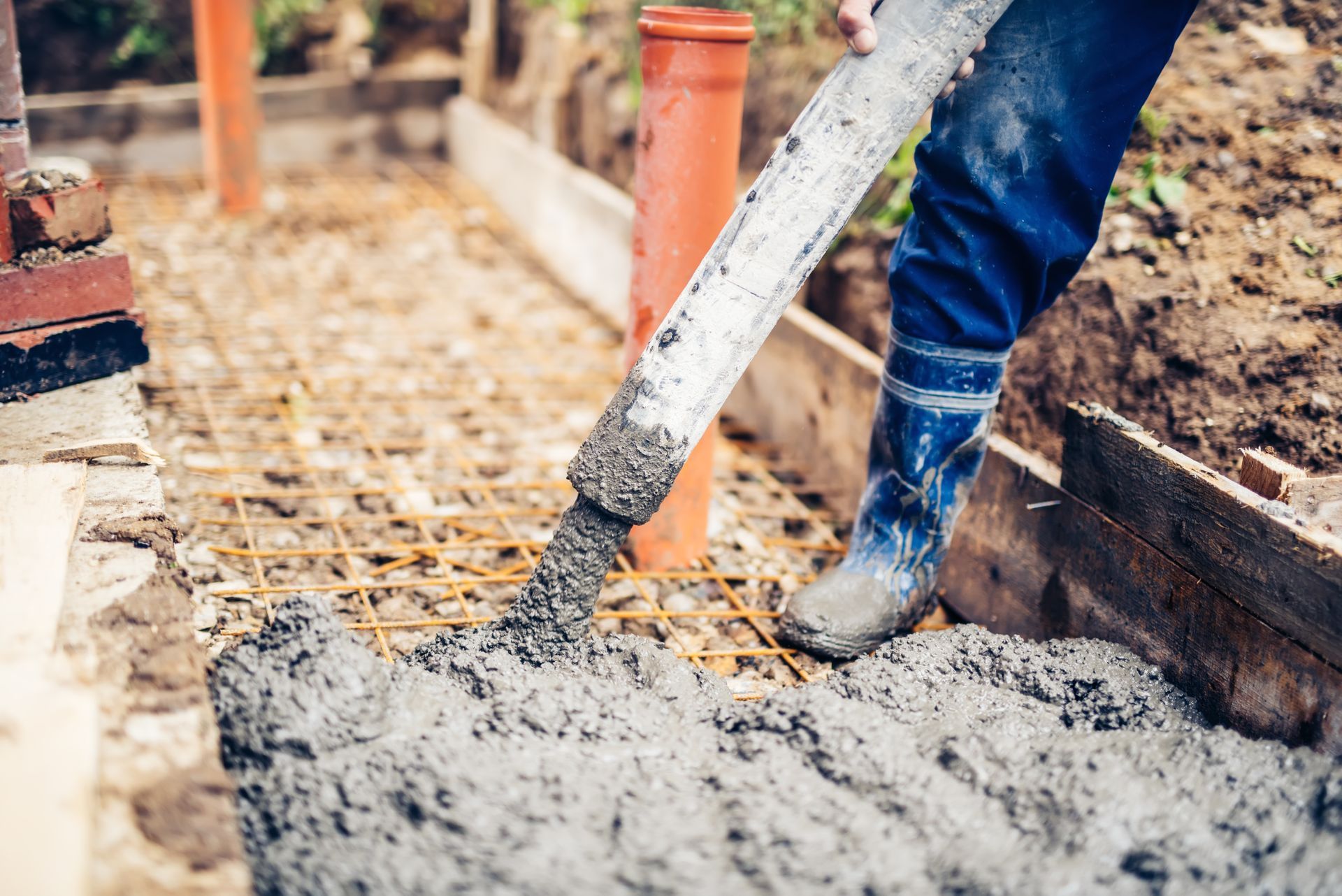
How Deep to Excavate for a Walkway
The right excavation depth is not a single number, it is the sum of the layers your walkway needs plus the paver thickness. Work backward from the finished height you want and add up what goes beneath it.
The Basic Math
A standard concrete paver is around 2 to 2.5 inches thick. Under it goes about an inch of bedding sand, and under that the compacted gravel base. For a pedestrian walkway, a 4 to 6 inch compacted base is typical, which puts total excavation in the range of 7 to 9 inches below the desired finished surface. You dig to that depth so the pavers end up flush with the lawn or path around them rather than proud of it or sunken.
It helps to start from the finished height and subtract. Decide where you want the top of the walkway to sit relative to the lawn, then subtract the paver thickness, the sand, and the base to find how far down to dig. Getting this right on paper first is what keeps the finished surface from sitting too high, which looks awkward and traps water, or too low, which invites runoff and debris to collect on the path.
Walkways vs. Patios vs. Driveways
Depth scales with the load. A walkway carries foot traffic and needs less base than a driveway that carries vehicles. The table below gives typical ranges, though local soil and climate can push them deeper.
| Application | Compacted Base Depth | Typical Total Excavation |
|---|---|---|
| Pedestrian walkway | Around 4 to 6 inches | Around 7 to 9 inches |
| Patio | Around 4 to 6 inches | Around 7 to 9 inches |
| Driveway (vehicles) | Around 8 to 12 inches | Around 11 to 15 inches |
What Goes Into a Proper Base
The excavation is just the empty space. What you build back into it, in the right order and properly compacted, is what makes the walkway stable. Each layer has a job.
The Compacted Gravel Base
The gravel base, usually a crushed stone like processed gravel, is the structural heart of the walkway. It spreads the load, and just as importantly it drains water away from the surface. It has to be installed in thin lifts and compacted between each one, because a base dumped in all at once and tamped on top will settle unevenly later.
The Bedding Sand
On top of the compacted base goes a thin, screeded layer of coarse bedding sand, usually about an inch. This is the setting layer the pavers rest in, and it lets you fine-tune each paver to a level, even surface. It is a setting bed, not a structural layer, which is why it stays thin.
Edge Restraint and Joint Sand
Once the pavers are set, an edge restraint locks the perimeter so the pavers cannot spread and drift apart over time. Fine joint sand is then swept into the gaps to lock the pavers to one another. Skipping the edge restraint is one of the fastest ways to watch a walkway slowly fall apart at the edges.
Geotextile Fabric Over Soft Soil
On sites with soft, silty, or clay-heavy soil, a layer of geotextile fabric between the native ground and the gravel base earns its keep. The fabric separates the two so the gravel cannot slowly sink and mix into the soil below, which is a common hidden cause of settling years down the road. It also helps distribute load and lets water pass through while holding the base together. Not every walkway needs it, but on the wet or clay soils we run into around the South Shore, it is cheap insurance against a base that migrates over time.
Why Base Depth Matters in Massachusetts
Here on the South Shore, the base does more than support weight, it defends against our winters. The difference between a walkway that looks great for twenty years and one that heaves and shifts after three winters comes down almost entirely to base preparation and drainage.
The mechanism is freeze-thaw. Water that collects in or under the walkway expands as it freezes and lifts the surface, then drops it as it thaws, repeating all winter and working pavers loose and uneven. A deep, well-compacted gravel base solves this two ways: it drains water down and away before it can pool, and it provides a stable platform that does not hold the moisture freeze-thaw needs. A shallow or poorly draining base does the opposite, which is why cutting the base short is a false economy in this climate. Building the walkway to pitch slightly, about a quarter inch per foot away from the house, sheds surface water on top for the same reason. Together, a base that drains from below and a surface that sheds from above keep water moving instead of sitting, which is the whole game in a freeze-thaw winter. Our approach to
paver patios and walkways treats that base and drainage work as the real project.
Before You Dig: Width, Permits, and Utility Lines
A little planning before the shovel goes in saves real trouble later, and one of these steps is a legal requirement, not a suggestion.
How Wide Should a Walkway Be?
Width is worth settling before you excavate, since it sets how much you dig. A main walkway that two people can pass on comfortably is typically around 4 feet wide, while a secondary path to a garden or side yard often works at 3 feet. Wider than 4 feet reads as generous and formal; narrower than 3 can feel cramped. Choose the width first so your excavation, base, and paver order all match.
Call Before You Dig
Before any excavation in Massachusetts, the law requires you to notify Dig Safe by calling 811, at no cost, so buried utility lines can be marked. Gas, electric, water, and communication lines can run through a yard at shallow depth, and hitting one is dangerous and expensive. Make the call several business days ahead. Depending on your town and the scope of the project, a permit may also apply, so it is worth checking with your local building department before starting.
Step by Step: Excavating for a Walkway
Understanding the sequence helps whether you are planning the job or hiring it out. The order protects the work at each stage.
- Lay out and mark the path, defining the width and route with stakes and string or marking paint before any digging.
- Excavate to full depth, removing sod and soil down to the total depth your base plus sand plus paver thickness requires, keeping the bottom even.
- Check for soft spots and drainage, addressing any spongy soil and, over poor soil, adding a geotextile fabric to separate the base from the ground below.
- Add and compact the gravel base in lifts, building it up a few inches at a time and compacting each layer rather than the whole depth at once.
- Screed the bedding sand, set the pavers, and finish, leveling the sand, laying the pavers with tight joints, installing edge restraint, and sweeping in joint sand.
The steps that get rushed most often are the compaction and the drainage check, and those are exactly the ones that decide how long the walkway lasts.
Common Base Preparation Mistakes
Most walkway failures trace back to the base, not the pavers. These are the errors that cause the trouble.
- Digging too shallow, which leaves too little room for a base that can drain and resist freeze-thaw.
- Skipping compaction or not working in lifts, which guarantees uneven settling later.
- Forgetting the slope, so surface water sits on the walkway instead of draining off.
- Leaving out edge restraint, which lets the pavers spread and the edges fall apart.
- Ignoring drainage under the base, the single biggest cause of heaving in a Massachusetts winter.
Avoiding these is less about effort than about not cutting corners on the part you cannot see once the pavers are down, since that hidden base is what carries the walkway for its whole life.
Build It on a Base That Lasts With DGL Contracting
A walkway is only as good as what is under it, and getting the excavation and base right is the difference between a surface that lasts decades and one that heaves in a few winters. Our crew handles the excavation, base, and installation as one job, done to last in our climate.
Call DGL Contracting at (781) 985-4535 or
contact us for a free estimate. Learn more about our
paver patios and walkways and
excavation and sitework across Rockland and the South Shore. We will walk your site, confirm the right depth for your soil, and handle it start to finish.
Frequently Asked Questions
How deep should the gravel base be for a walkway?
For a pedestrian walkway, a compacted gravel base of about 4 to 6 inches is typical. That is enough to spread foot-traffic loads and, more importantly, to drain water away so it cannot pool and freeze. Driveways that carry vehicles need a deeper base, generally in the 8 to 12 inch range.
What is the total excavation depth for a paver walkway?
Plan on roughly 7 to 9 inches total for a walkway. That accounts for a 4 to 6 inch compacted base, about an inch of bedding sand, and the paver thickness, so the finished surface sits flush with the surrounding grade. In freeze-prone climates like Massachusetts, leaning toward the deeper end helps prevent heaving.
Do I need a base under pavers, or can I lay them on sand?
You need a compacted gravel base. Laying pavers on sand alone leaves them with nothing to drain through or bear on, so they sink, shift, and heave, especially through freeze-thaw cycles. The gravel base is the structural and drainage layer, and the thin sand on top is only the setting bed for leveling the pavers.
Why do paver walkways heave in the winter?
Heaving is caused by freeze-thaw. Water trapped in or under the walkway expands when it freezes, lifting the pavers, then settles unevenly as it thaws, repeating all winter. A deep, well-compacted, well-draining base and a proper surface slope prevent it by keeping water from pooling where it can freeze under the surface.
Should a walkway be sloped?
Yes. A walkway should pitch slightly, about a quarter inch per foot, away from your house and any structures so surface water drains off rather than pooling. That slope, combined with a draining gravel base beneath, is what keeps water from sitting on or under the walkway and causing damage over time.
Recent Posts